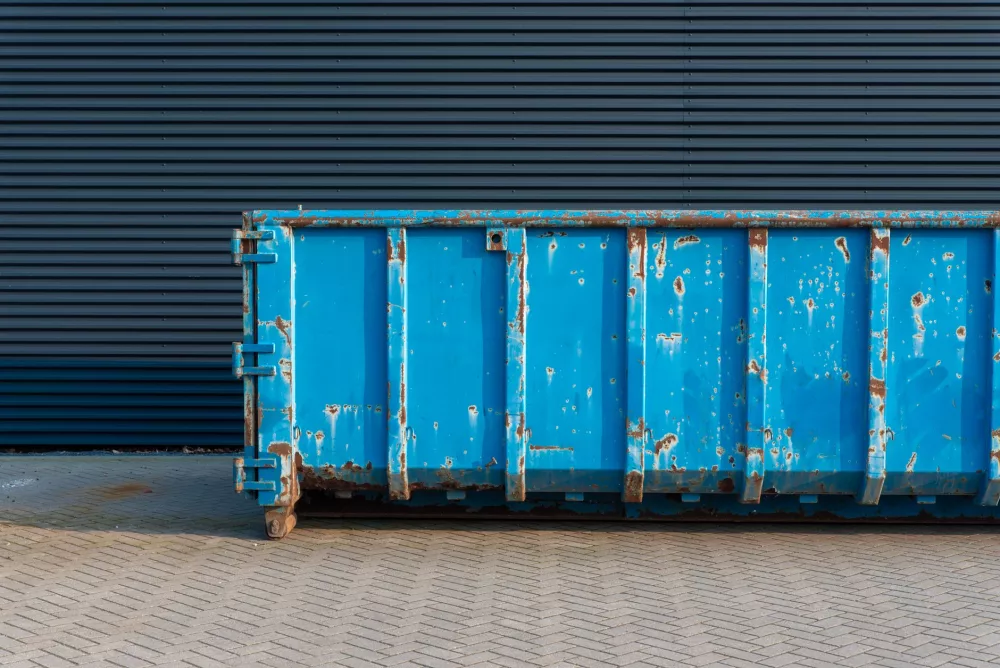
So, You're Thinking About Renting a Dumpster? Let's Talk!
Hey there! If you're tackling a big home renovation, a major cleanout, landscaping overhaul, or even managing a construction site, you've probably realized that regular trash bins just won't cut it. That's exactly where a dumpster rental comes into play, and honestly, it's a lifesaver for so many projects. I've seen countless folks struggle with piles of debris, making trips to the dump over and over, and I can tell you, renting a dumpster truly simplifies the entire waste management process. It's not just about getting rid of stuff; it's about making your project run smoother, safer, and often, more economically.
You might be wondering, "Is a dumpster rental really for me?" My answer is usually a resounding yes, especially if you anticipate a significant volume of waste. It eliminates the hassle of multiple trips, saves your vehicle from potential damage, and helps keep your project site organized. Let's dig into everything you need to know to make an informed decision and ensure your rental experience is as straightforward as possible.
Why Renting a Dumpster is a Smart Move
I genuinely believe that for many projects, a dumpster isn't just a convenience; it's practically a necessity. Here's why I'm such a proponent:
- Unmatched Convenience: Imagine having a dedicated spot for all your junk right on your property. No more hauling bags to the curb or stuffing your car with debris. Just toss it in the dumpster as you go. When it's full, they come and take it away. It couldn't be simpler, could it?
- Boosted Efficiency: When you're not constantly thinking about waste disposal, you and your crew can focus on the actual work. This translates directly to a more efficient project timeline. Less downtime spent on disposal means more time for productive tasks.
- Enhanced Safety: A cluttered worksite is a dangerous worksite. Piles of debris create tripping hazards, and sharp objects or heavy materials lying around can cause injuries. A dumpster keeps your area clear, reducing risks significantly. It’s about creating a safer environment for everyone involved.
- Environmental Responsibility: Reputable dumpster rental companies don't just dump your waste. They often sort and recycle eligible materials, which is something I always appreciate. It helps ensure that your waste is disposed of properly and sustainably, which is a big win for our planet.
- Cost-Effective in the Long Run: While there's an upfront cost, consider the money saved on gas, vehicle wear and tear, and potential dump fees if you were to transport everything yourself. For larger projects, the cost savings become quite evident.
Picking the Perfect Size: It's More Important Than You Think!
One of the most common questions I get asked is, "What size dumpster do I need?" And it's a really important one because getting it wrong can cost you either extra money or leave you with insufficient space. Dumpsters are measured in cubic yards, and here's a quick rundown of typical sizes and what they're generally good for:
- 10-Yard Dumpster: This is a compact option, perfect for smaller projects. Think about a garage cleanout, a small bathroom remodel, or removing about 250 square feet of deck material. It holds roughly three pickup truck loads, so it's quite capable for its size!
- 20-Yard Dumpster: This is probably the most popular choice for many residential jobs. It's great for medium-sized renovations, roofing projects (shingles from about 2,500 to 3,000 square feet), or a significant home cleanout. You're looking at around six pickup truck loads of debris here.
- 30-Yard Dumpster: Now we're getting into serious territory. A 30-yard dumpster is ideal for larger home additions, major construction, or commercial cleanouts. It can handle debris from a full house demolition (for a small house) or extensive construction waste, equating to about nine pickup truck loads.
- 40-Yard Dumpster: This behemoth is for the biggest jobs – commercial building cleanouts, large-scale construction, or significant demolition projects. If you're undertaking something truly massive, this is likely your go-to. It holds approximately twelve pickup truck loads of material.
My advice? When in doubt, it's often better to go slightly larger than you think you'll need. An overfilled dumpster can incur extra charges, or worse, be deemed unsafe for transport.
Understanding the Dumpster Rental Process: What I Tell My Friends
Renting a dumpster might seem intimidating at first, but it's really quite simple once you know the steps. Here's how it generally works:
- Get a Quote: You'll start by contacting a rental company. Be prepared to tell them about your project, the type of debris you'll be disposing of, and roughly how much you think you'll have. This helps them recommend the right size and provide an accurate quote. Don't be afraid to ask about all included fees!
- Schedule Delivery: Once you've chosen a company and a size, you'll arrange a delivery date. I always suggest picking a day that gives you a little buffer before your project really kicks off.
- Prepare for Placement: Think about where the dumpster will go. It needs a firm, level surface, free from overhead obstructions like power lines or tree branches. If it's going on public property, like a street, you might need a permit from your city or county. Always check this beforehand; it's a step many folks overlook!
- Fill 'Er Up (Carefully!): Load your debris, making sure not to exceed the fill line or weight limits. Distribute weight as evenly as possible. Safety first, right?
- Schedule Pickup: When you're done, call the company to schedule the pickup. They'll come, haul it away, and you're all set!
Decoding Dumpster Rental Costs
Let's be upfront: the cost of a dumpster rental isn't always a flat fee. Several factors come into play, and understanding them helps avoid surprises:
- Dumpster Size: As you might expect, larger dumpsters cost more.
- Rental Period: Most rentals come with a standard 7-10 day period. If you need it longer, you'll likely pay a daily extension fee.
- Weight Limits: Each dumpster size has a predetermined weight limit included in the base price. Go over that, and you'll face 'overage' charges per ton. This is why knowing your debris type is so crucial – heavy materials like concrete or dirt add up fast!
- Type of Debris: Some materials (like clean concrete or asphalt) can sometimes be disposed of more cheaply in specialized "clean load" dumpsters, while mixed waste can be more expensive due to sorting requirements.
- Location: Disposal fees, fuel costs, and local regulations vary by region, so prices can differ from one city to another.
- Permits: If you need a street permit, that's an additional cost you'll have to factor in.
What You Can and Absolutely Cannot Put In!
This is critically important for safety and to avoid extra charges. While most general household junk, construction debris, yard waste, and non-hazardous materials are fine, there's a strict list of prohibited items. I can't stress this enough:
Generally Permitted Items:
- Household junk (furniture, clothes, toys, general trash)
- Construction debris (wood, drywall, flooring, siding, shingles, bricks)
- Yard waste (branches, leaves, grass clippings) – check if separate green waste dumpsters are required.
- Appliances (without refrigerants)
Strictly Prohibited Items (Do NOT put these in!):
- Hazardous Waste: Paints, solvents, thinners, sealers, pesticides, motor oil, antifreeze, cleaning chemicals.
- Asbestos: This needs specialized handling.
- Tires: Special disposal fees and regulations apply.
- Batteries: All types, from car batteries to small household ones.
- Refrigerants: Items like refrigerators, freezers, and air conditioners containing Freon.
- Electronics (E-waste): TVs, computers, monitors, printers (check local regulations; some areas allow limited e-waste).
- Medical Waste: Needles, pharmaceuticals, biohazards.
- Hot Materials: Ashes, coals.
- Liquid Waste: Any kind of liquid, as it can leak and cause environmental harm.
If you're unsure about an item, always ask the rental company. It's much better to clarify beforehand than to face penalties or a rejection of your load.
Getting Ready for Your Dumpster Delivery
A little preparation goes a long way. Before your dumpster arrives, do these things:
- Clear the Space: Make sure the delivery spot is clear of vehicles, debris, and anything else that might obstruct the truck's access or placement of the dumpster.
- Protect Your Driveway: If the dumpster is going on your driveway, I recommend placing plywood or old boards down where the dumpster will sit. This helps protect your asphalt or concrete from scratches, cracks, or rust stains, as these heavy containers can leave marks.
- Ensure Accessibility: The delivery truck needs ample room to maneuver. Think about how a large truck would turn and back up.
Renting a dumpster is truly one of the smartest decisions you can make for managing waste from any significant project. By understanding the sizes, processes, costs, and especially what you can and can't toss in, you'll ensure a smooth, efficient, and stress-free experience. I really hope this guide helps you feel more confident about your next project!