I've heard it a million times: "I need dental implants, but they're just so expensive! Can't I find cheap dental implants somewhere?" It's a completely valid question, and one I think many people grapple with when facing tooth loss. The idea of replacing a missing tooth, or several, with something permanent and functional is incredibly appealing, but the price tag can be a real shocker. That's why I wanted to sit down and really unpack what 'cheap dental implants' means, because it's not always as straightforward as you might think.
What Exactly Are Dental Implants, Anyway?
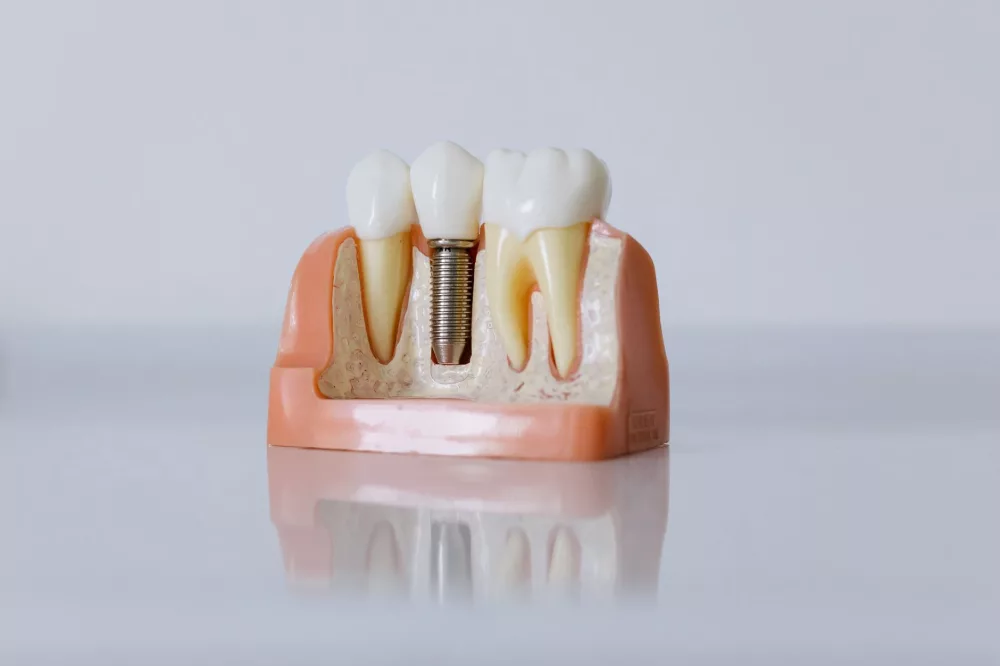
Before we even talk about cost, let's quickly get on the same page about what a dental implant actually is. Basically, it's a small, screw-shaped post, usually made of titanium, that my dentist surgically places into your jawbone. This post acts like an artificial tooth root. Over time, your bone fuses around it in a process called osseointegration. Once that's solid, a connector piece (called an abutment) is attached to the implant, and then a custom-made crown, bridge, or denture goes on top. It's a pretty amazing solution because it feels, looks, and functions just like your natural teeth. You can eat, speak, and smile with confidence again.
Why Do Implants Seem So Pricey at First Glance?
So, why do these things cost so much? When you get a quote for a dental implant, you're not just paying for a single item. You're paying for a whole package of services, materials, and expertise. I think it's helpful to break it down:
- The Implant Fixture Itself: This is the titanium screw.
- The Abutment: The connecting piece.
- The Crown/Restoration: What you actually see in your mouth.
- Surgical Procedure: The actual placement of the implant.
- Diagnostic Imaging: X-rays, 3D scans (like CBCT) to plan the surgery.
- Anesthesia/Sedation: To keep you comfortable.
- Follow-up Visits: For healing, impressions, and final placement.
- Bone Grafting/Tooth Extraction: Sometimes necessary before implant placement.
- The Dentist's Expertise: Years of training and experience in implant dentistry.
- Clinic Overheads: Staff, equipment, sterilization, lab fees.
When you add all that up, it quickly becomes clear why the price can be substantial. It's a complex surgical procedure, not just a simple filling.
Understanding the Risks of 'Too Cheap' Dental Implants
Okay, so now that we know what goes into the cost, let's talk about the danger zone: when implants seem too cheap. While everyone wants a deal, I've got to tell you, with dental implants, you really do often get what you pay for. Cutting corners here can lead to some serious problems down the road.
- Substandard Materials: Cheaper implants might use lower-grade titanium or materials that aren't as biocompatible, meaning your body might not integrate with them properly. This increases the risk of implant failure.
- Inexperienced Practitioners: A very low price could indicate that the dentist performing the procedure lacks the specialized training or experience in implant dentistry. Implantology requires significant additional education and practice. Poor surgical technique can lead to nerve damage, sinus perforation, or early implant failure.
- Inadequate Diagnostics: Skipping essential 3D scans or comprehensive treatment planning can lead to improper implant placement, which might cause long-term issues like chewing problems or even damage to adjacent teeth.
- Poor Sterilization/Hygiene: Unfortunately, a super low-cost clinic might skimp on crucial sterilization protocols, increasing your risk of infection.
- No Guarantees or Follow-up Care: What happens if something goes wrong? A reputable clinic will stand by their work and offer proper follow-up. Cheaper options might leave you stranded.
I always tell folks, a failed implant isn't just a waste of money; it can be painful, involve more invasive corrective surgery, and potentially cause more bone loss. It's a situation you definitely want to avoid.
Smart Strategies to Make Dental Implants More Affordable
So, does this mean you're out of luck if you don't have a huge budget? Absolutely not! My goal isn't to scare you away from dental implants, but to guide you toward making an informed decision. There are definitely ways to make quality dental implants more accessible without compromising your health.
1. Dental Insurance (Read the Fine Print!)
Some dental insurance plans might cover a portion of implant costs, especially if they classify it as a medically necessary procedure for mastication (chewing). I've found that it's rare for insurance to cover the full cost, but they might cover things like extractions, bone grafting, or the crown. It's crucial to contact your provider and understand exactly what's covered. Don't assume anything!
2. Payment Plans and Financing
Many dental offices understand that implants are a big investment and offer in-house payment plans or work with third-party medical financing companies. These often allow you to pay off the cost over several months or years, sometimes with low or even 0% interest, depending on your credit. This can make the monthly payments much more manageable.
3. Dental Schools
This is a great option I often recommend. University dental schools frequently offer services, including dental implants, at a reduced cost. Why? Because the procedures are performed by students who are closely supervised by experienced, board-certified faculty. You might experience longer appointment times, but you're getting top-notch care and often access to the latest technology, all at a lower price point.
4. Community Dental Clinics and Public Health Programs
Depending on where you live, there might be community dental clinics or public health programs that offer discounted dental services to those who qualify based on income or other factors. These can be harder to find and might have longer waiting lists, but they're worth investigating.
5. Phased Treatment
You don't always have to get all your implants done at once. Sometimes, my patients choose to tackle their treatment in phases. For example, you might get the implant posts placed in one year and then save up for the abutments and crowns in the next. This spreads out the financial burden and can be a good strategy for managing costs.
6. Comparing Quotes (But Not Just Price!)
I always encourage people to get a few different consultations from reputable dentists. Don't just compare the bottom-line price, though. Compare:
- What's included in the quote? Are all steps listed?
- The dentist's experience and credentials.
- The type of implant system used.
- The quality of the materials for the crown.
- The overall feeling you get from the clinic and staff.
A slightly higher quote from a highly experienced dentist using premium materials might actually be a better long-term value than a super low price from an unknown source.
The Long-Term Value of Quality Implants
Here's something I really want to emphasize: dental implants are an investment in your health, your comfort, and your quality of life. Unlike other tooth replacement options like dentures or bridges, implants can last a lifetime with proper care. They prevent bone loss in your jaw, which is a huge benefit, and they don't rely on adjacent teeth for support, protecting your natural dentition.
Think about it this way: a cheaper, lower-quality implant might fail in a few years, costing you more money, time, and discomfort to fix or replace. A well-placed, high-quality implant could serve you for decades. When you look at the cost per year of service, the initially more expensive option often becomes the most economical in the long run.
My Advice: Do Your Homework, Ask Questions
Ultimately, my best advice when searching for cheap dental implants is to be smart and thorough. Don't let the desire for a low price overshadow the need for quality, safety, and long-term success. It's your health we're talking about, and you deserve the best possible outcome.
Talk to multiple dentists. Ask about their training, their success rates, and what kind of implant systems they use. Don't be afraid to ask for payment options. A good dental practice will be transparent about costs and willing to work with you to make treatment affordable. You can absolutely find a great solution that fits your budget without having to sacrifice the quality you need for a healthy, happy smile.